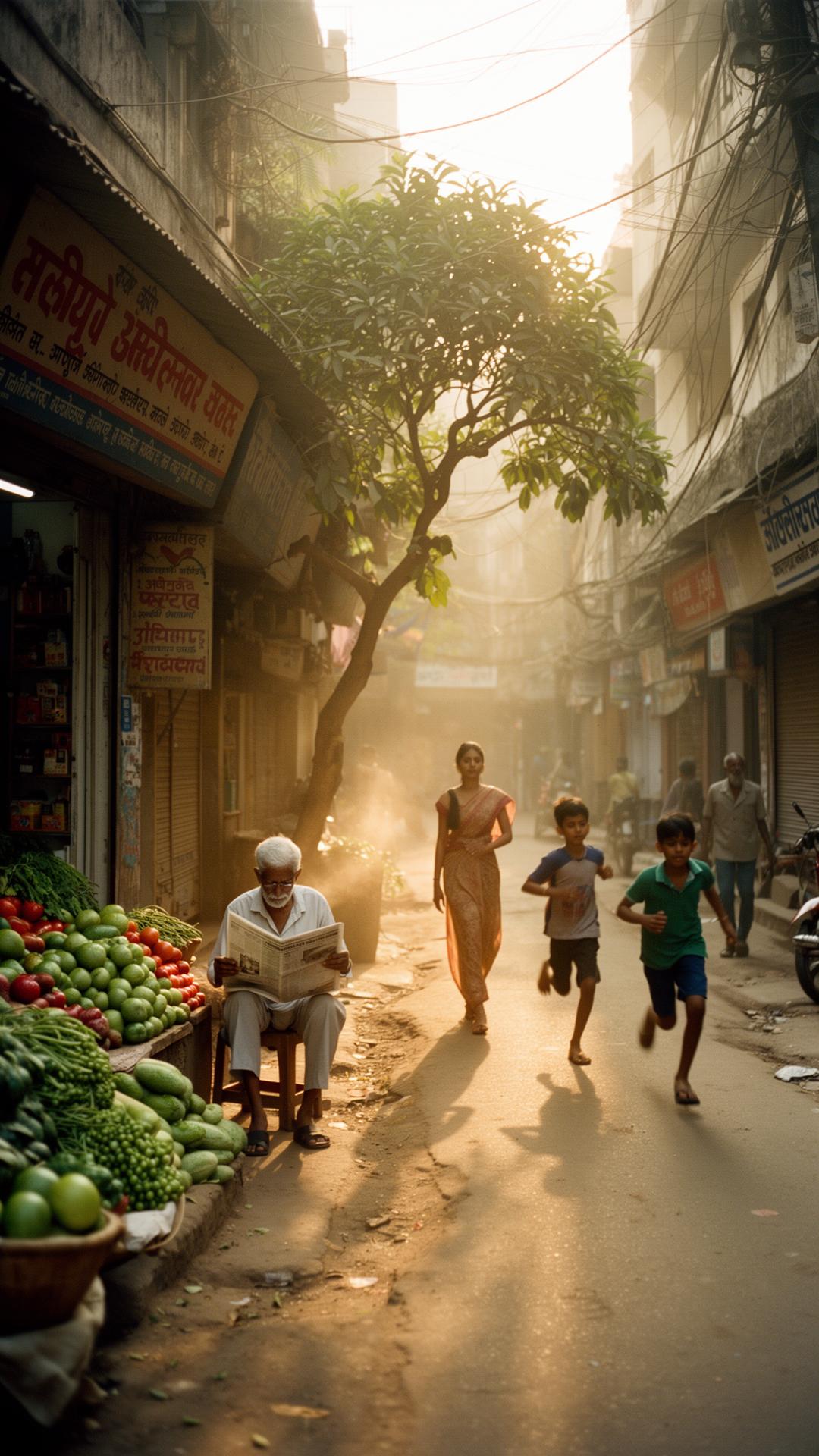
Building more liveable cities and neighbourhoods.
MyUrbanImpact asks what it takes for an Indian city to feel liveable, participatory and human, one neighbourhood at a time.
"रेहनशील शहर, सफल शहर" · Liveable cities are successful cities.
सुंदर·सफल·रेहनशील शहर
A culturally rooted vision for a more human Indian urban future.
Sundar (beautiful) · Safal (successful) · Rehensheel (liveable).
A different way of noticing the city.
Six ideas that quietly shape the work: what we look at, how we look at it, and what we believe a good Indian city is finally for.
- 01
Cities as Habitats
A city is a habitat. It is woven of pavements, shopfronts, balconies, neighbours and rituals, and it holds life the way a habitat does.
- 02
Neighbourhoods Matter
Liveability is felt at walking distance. The neighbourhood is where a city is finally lived.
- 03
Experience Matters
How a street feels at golden hour matters as much as how it performs at peak load. Experience is the metric.
- 04
Participation Matters
Cities improve when people pay attention together, quietly and regularly, in the places they already love.
- 05
Calm Urbanism
Slower than the news cycle, more patient than a campaign. The kind of attention a place deserves.
- 06
Better Modernity
A modernity that grows out of how Indians already live, walk, gather and remember.
Walks, observations, small systems of care.
The editorial heart of the platform: neighbourhoods looked at slowly, rituals worth naming, the texture of public life.
- ObservationOld DelhiApr 2026
Golden hour, gali by gali
Between 5:30 and 6:15, the lanes around Jama Masjid soften. Light slants in low. Vendors stop shouting. Children appear from nowhere. The same street that felt like an obstacle course at noon becomes a room.
Read - WalkBandra, MumbaiMar 2026
Why people walk here
Bandra walks because the trees still stand. Because shopfronts spill onto pavement at human height. Because three generations still live in the same lane and someone is always watching from a balcony.
Read - Civic ritualIndoreFeb 2026
The cleanliness is a ritual
Eight years at the top of the Swachh ranking and the city has quietly moved on from talking about it. The early-morning sweep, the segregated bin, the truck jingle: these have stopped being a programme and started being a habit.
Read - ObservationChennaiJan 2026
Mornings belong to the elders
Marina at 5:45. The walking track is full before the joggers arrive. Cotton, slippers, slow conversation. The sea is incidental.
Read
Three quiet bodies of work.
A campaign, a stewardship practice, and a convening. Each one carried patiently over many years.
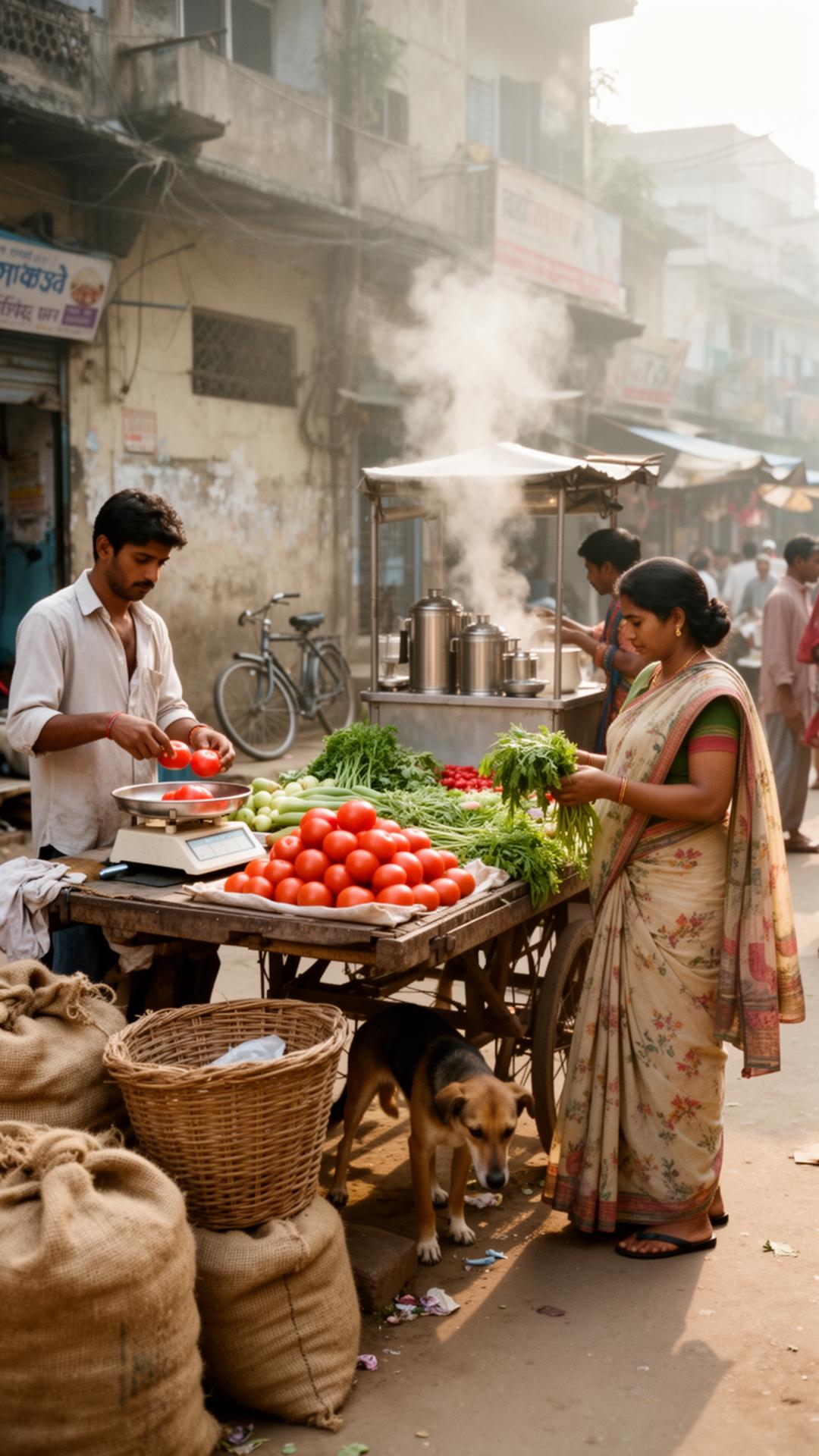
रेहनशील शहर
The public-facing liveability campaign. Writings, films and a refrain carried since 2010: liveable cities are successful cities.
Step inside
CURe · The Work
Corporate Urban Responsibility: from cheque-writing to place stewardship. Enterprise-led care for streets, stations and neighbourhoods.
See the workHabitat Summit
The dialogue layer. Twenty years of quiet convening on Indian habitats, from cities to the neighbourhoods that compose them.
Explore Habitat Summit historyModest, believable, scalable.
Concrete imagined interventions: the kind of stewardship one company, one ward or one station-area can begin tomorrow.
- Pilot 01
One company, one high street
An enterprise adopts the high street outside its office: pavements, lighting, trees, signage, held as a long stewardship.
- Pilot 02
Station-area stewardship
The 500 metres around a metro or rail station, treated as a shared room. Cleaner, walkable, dignified for the people who arrive on foot.
- Pilot 03
Ward-scale walkability
One ward, one year. A measured, observed effort to make every daily walk a little safer, shadier and more pleasant.
- Pilot 04
Market district stewardship
Vendors, residents and a corporate steward share the upkeep of a market district: its lanes, its signage, its small civic rituals.
People paying attention, together.
A soft, civic, observational practice. Anyone who walks their neighbourhood with a little more attention is already part of it.
- Submit a field note
- Nominate a street
- Host a neighbourhood walk
- Document a civic ritual
- Map your daily route
- Contribute an observation
"We have been paying attention to Indian cities for a long time. And now we are beginning to imagine how they could feel better to live in."